
Flat roofs are widely used on garages, home extensions, porches, and commercial buildings across the UK. They are durable, cost-effective, and practical, but like any part of your property, they can develop issues over time. Knowing how to tell if your flat roof needs repair or replacement can help prevent costly structural damage and protect your home from leaks.
Many homeowners across the East Midlands are unsure whether a problem with their flat roof requires a simple repair or a full replacement. Understanding the warning signs can help you make the right decision and address problems before they worsen.
One of the first things to consider when evaluating your roof is its age. Different flat roofing materials have different lifespans. EPDM rubber roofing can last between 25 and 50 years when installed correctly. Fibreglass roofing typically lasts around 20 to 30 years.
Traditional felt roofing usually lasts between 10 and 20 years depending on weather exposure and maintenance. If your flat roof is approaching the end of its expected lifespan, frequent problems may indicate that replacement is more cost-effective than repeated repairs.
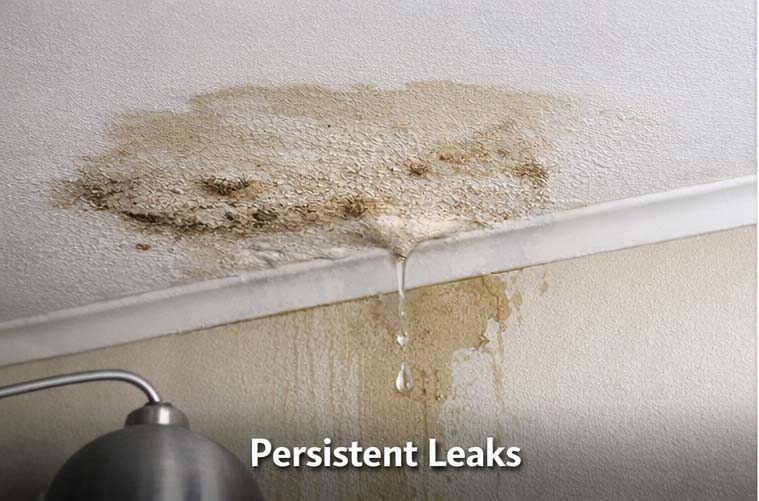
One of the clearest signs your flat roof needs attention is water entering the property. If you notice water stains on ceilings, damp patches on walls, or dripping during heavy rain, the waterproof layer of the roof may be compromised. Occasional leaks can sometimes be repaired by sealing damaged areas or replacing flashing.
However, if leaks occur repeatedly or in multiple locations, it may indicate that the roofing membrane is deteriorating and a full replacement may be necessary. Homeowners searching for how to fix a leaking flat roof often discover that underlying issues such as aging materials or poor installation can cause ongoing problems.
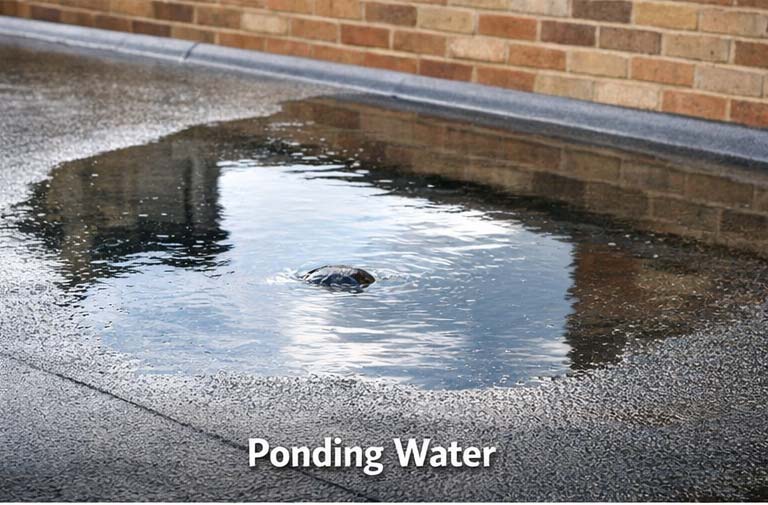
Flat roofs are designed with a slight slope to allow water to drain into gutters or drainage outlets. If water remains on the roof for more than 48 hours after rainfall, this is known as ponding water. Standing water can weaken roofing materials and increase the risk of leaks over time.
Ponding water may be caused by blocked drainage outlets, poor roof design, or sagging areas in the roof deck. Minor drainage issues may be resolved through repairs or improved drainage systems. However, significant structural sagging may require partial or full roof replacement.
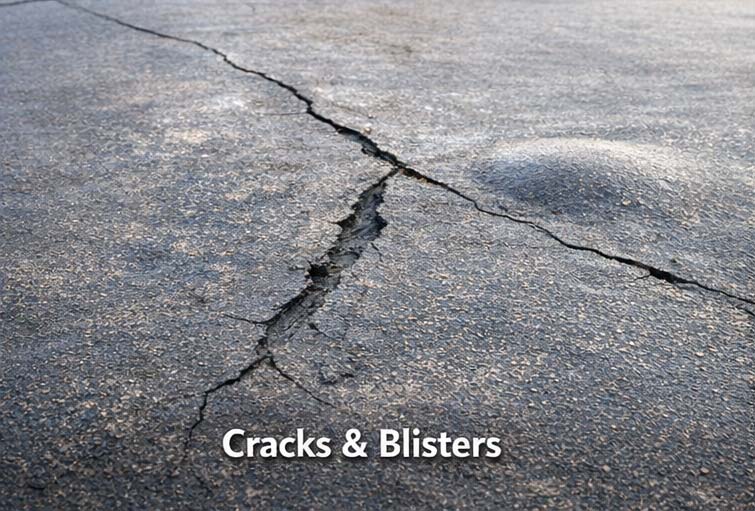
Visible damage to the surface of your flat roof is another sign that repairs may be required. Over time, exposure to sunlight, temperature changes, and weather conditions can cause materials to expand and contract.
This can lead to cracks, blisters, or splits in the roofing membrane. Small cracks can often be repaired quickly. But widespread damage usually indicates that the roof covering is reaching the end of its lifespan. Older felt roofs are particularly prone to cracking and blistering as they age.
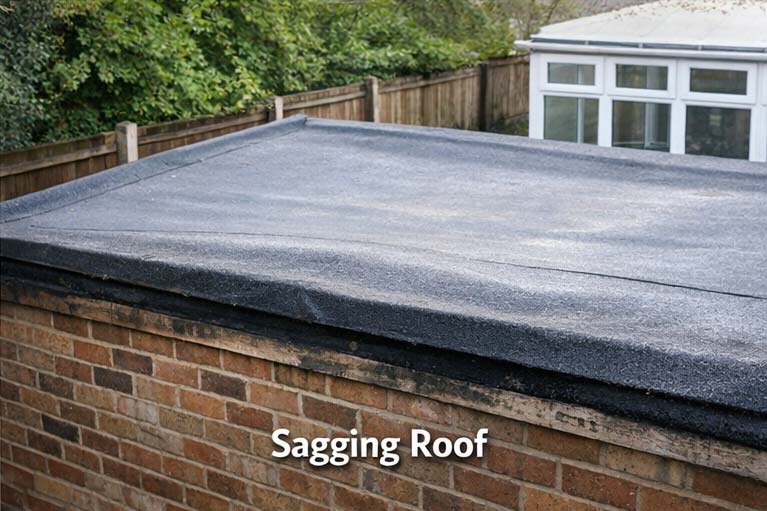
If you notice areas of your roof that appear uneven or sagging, this could indicate structural problems beneath the surface. Sagging may occur due to water damage, weakened timber decking, or long-term stress from ponding water. Structural issues are more serious than surface damage and often require professional inspection. In many cases, replacing the flat roof and repairing the underlying structure is the safest solution.
Another key indicator that a roof replacement may be needed is the frequency of repairs. If you are repairing the same flat roof every year, the cumulative cost of repairs can quickly exceed the cost of installing a new roof. A new flat roof installed using modern materials such as EPDM rubber or fibreglass can provide decades of reliable protection and reduce ongoing maintenance expenses.
If you are unsure whether your roof requires repair or replacement, a professional inspection can provide clarity. Experienced roofing specialists can assess the condition of the membrane, drainage system, flashing and roof structure. A thorough inspection can identify hidden problems that may not be visible from the ground. They also to help determine the most cost-effective solution.
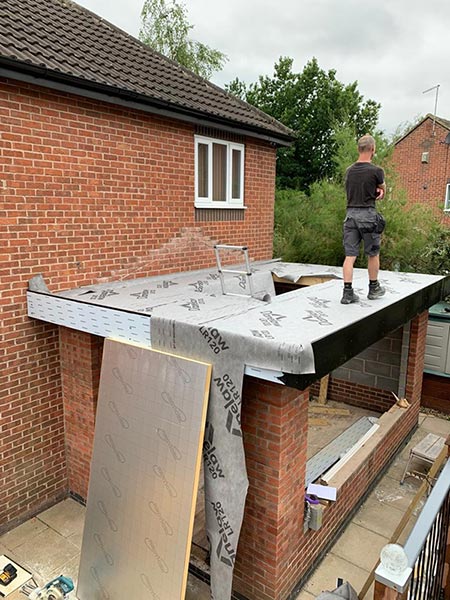
For homeowners in the East Midlands, working with an experienced flat roofing contractor ensures that repairs and replacements are completed to a high standard. Amber Flat Roofing provides specialist flat roofing services across the East Midlands, including flat roof repairs, replacements and new installations. Their team works with modern roofing systems such as EPDM rubber roofing and fibreglass roofing to provide long-lasting protection for homes and commercial buildings.
Knowing when your flat roof needs repair or replacement avoid costly damages and unexpected problems. Common warning signs include leaks, ponding water, cracks in the roofing membrane, sagging areas and increasing repair costs.
Addressing these issues early can extend the lifespan of your roof and help protect your property for many years to come. If you suspect your flat roof may need attention, consulting a professional roofing specialist is the best way to determine the right solution.
C
C
If you’re unsure whether your flat roof needs repair or full replacement, get in touch with Amber Flat Roofing today for professional advice and a no-obligation quote. Our team is happy to assess your roof and recommend the most cost-effective solution for your home or business.